Room sensors don't change where the air goes; they change which room's temperature the thermostat responds to. That helps when the thermostat is in the wrong spot or you care about a bedroom at night. When one part of the house needs heat while another needs cooling, or a floor is always far off, zoning with motorised dampers or valves and a zone panel is the fix.
Why rooms differ
A single thermostat measures one spot. Upstairs rooms gain heat in summer, rooms over a garage lose it in winter, sunny rooms swing through the day, and rooms at the end of a long duct get less air. The thermostat holds its own hallway at the setpoint while the far bedroom sits several degrees off.
Before buying anything, check the cheap causes: closed or blocked supply vents and return grilles, a dirty filter, and a thermostat in direct sun or a draft. The ecobee3 lite guide warns that large holes behind the thermostat let drafts affect its readings, so seal the wall opening behind it.
What room sensors do
Many smart thermostats accept wireless room sensors. The thermostat can then use the average of several rooms, only the rooms where it detects someone, or a chosen room at a chosen time, such as the bedrooms overnight. Honeywell Home's wiring guide also lists an S terminal for wired indoor and outdoor sensors on some models.
What sensors can't do is send more air to one room and less to another. If the bedroom is cold because its duct is undersized, a sensor in the bedroom makes the whole system run longer to satisfy it, which warms the bedroom and overheats the rest of the house.
Sensors in our catalog: Google Nest 10807 Room Sensor, Google Nest T5001SF Room Sensor and Sensi RS01-SG Room Sensor.
What zoning does
A zoned forced-air system has motorised dampers in the ducts, a thermostat for each zone, and a zone control panel that opens and closes dampers and runs the equipment. A zoned boiler system uses zone valves or separate circulator pumps. Each zone gets heat or cooling only when its own thermostat calls.
Zoning is a bigger job: dampers go into the ductwork, and the system has to be able to handle a single small zone calling on its own without starving the equipment of airflow. It's normally designed and installed by an HVAC contractor. Our product pages for zone panels and dampers quote the maker's zone counts and compatibility.
Zoning parts in our catalog: ECOJAY DSUP10 6-Inch Zone Damper, ECOJAY hz432 Zone Control Panel and Honeywell Home AQ25542B Zone Control Panel.
Which to choose
| Your problem | Usually better fit |
|---|---|
| Thermostat in a poor spot (sunny hall, near the kitchen) | Room sensors |
| You want the bedrooms comfortable at night, the living room by day | Room sensors with schedules |
| Upstairs always far hotter than downstairs in summer | Zoning (or duct balancing) |
| One room needs heat while another needs cooling | Zoning |
| An addition or bonus room on its own duct run | Zoning, or a separate system |
| Mild, shifting differences of a degree or two | Room sensors or vent adjustment |
A worked example
A two-storey house has its thermostat downstairs. On summer evenings the upstairs bedrooms sit 4 to 5°F warmer. A bedroom sensor set to drive cooling overnight will cool the bedrooms, and the downstairs will get colder than wanted while nobody's there, which is often acceptable. If the household also wants the downstairs comfortable at the same time, that's a zoning problem: two zones, each with its own thermostat and dampers.
Wiring notes
Wireless room sensors pair with the thermostat and run on batteries; they don't change the wall wiring. A zone panel changes it: each zone thermostat wires to the panel, and the panel wires to the equipment. Check the panel's listing for the number of zones and whether it supports heat pumps and multi-stage equipment. The thermostats then need to match the panel's terminals, not the furnace's.
Thermostats in this explainer

Google Nest 10807 Room Sensor
Room sensor

Google Nest T5001SF Room Sensor
Room sensor · Nest Learning
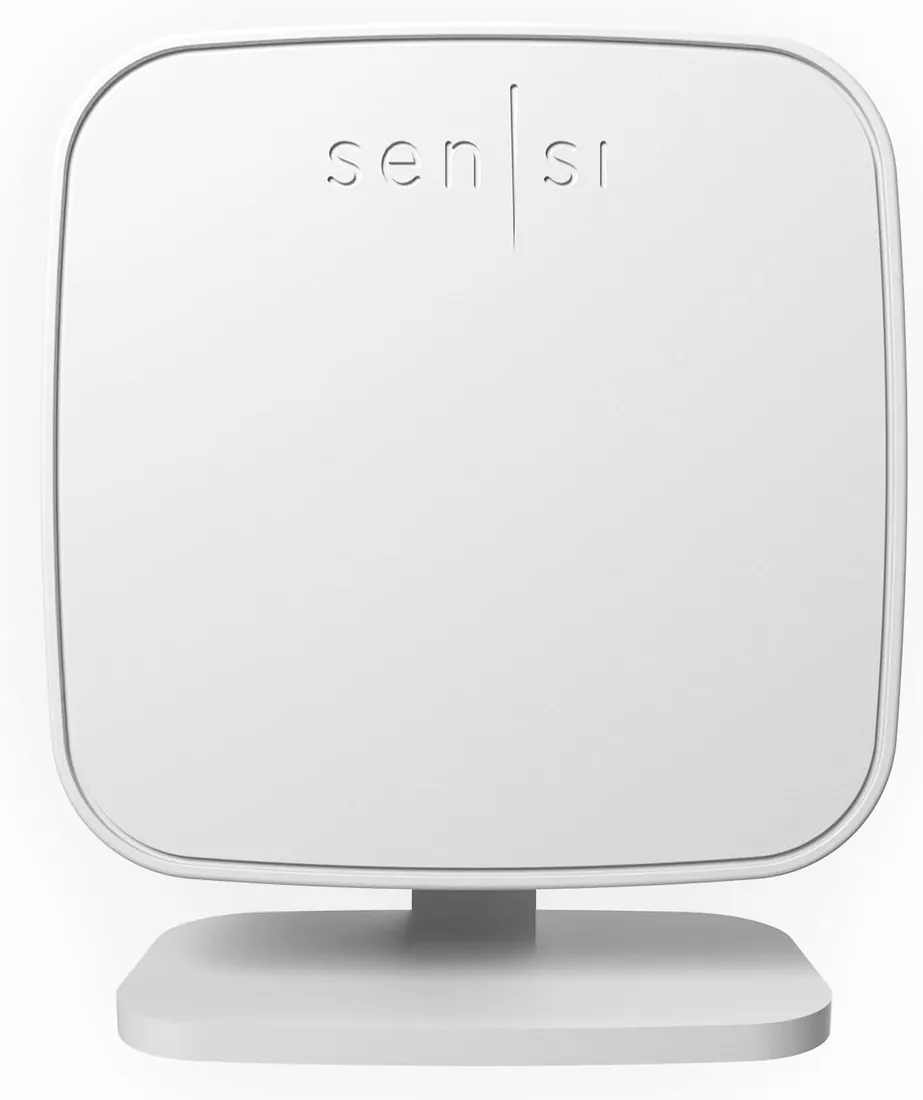
Sensi RS01-SG Room Sensor
Room sensor · Sensi Touch 2 Smart
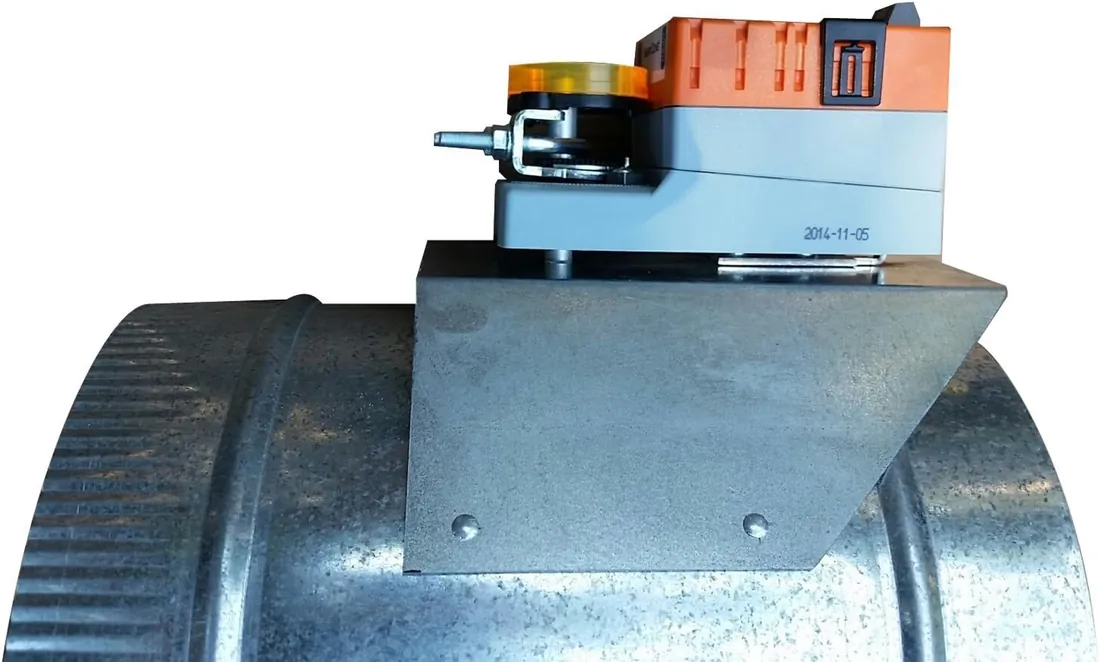
ECOJAY DSUP10 6-Inch Zone Damper
Zone damper
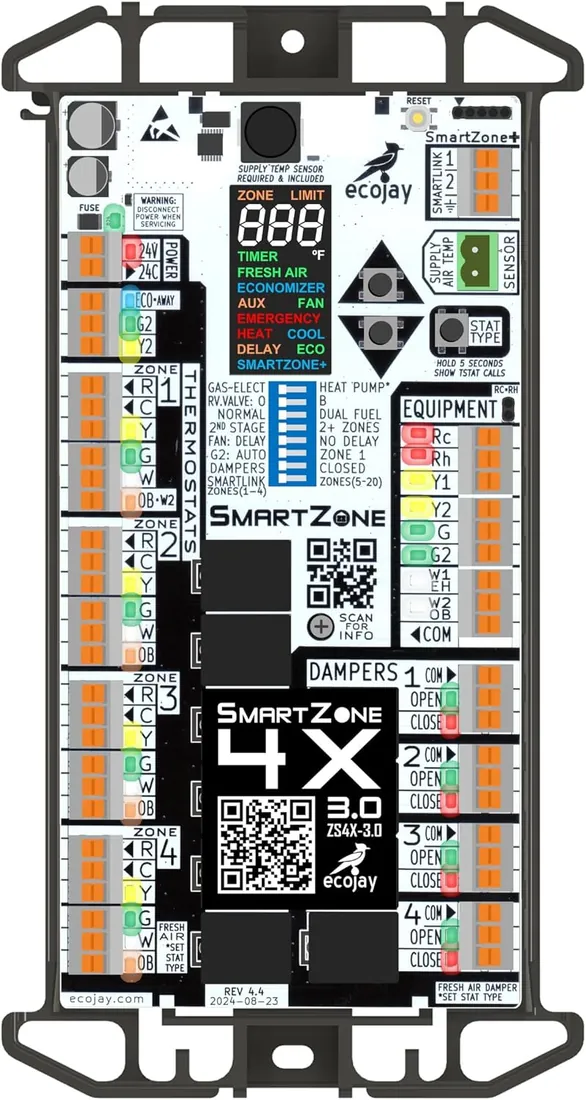
ECOJAY hz432 Zone Control Panel
Zone panel · 4 zones
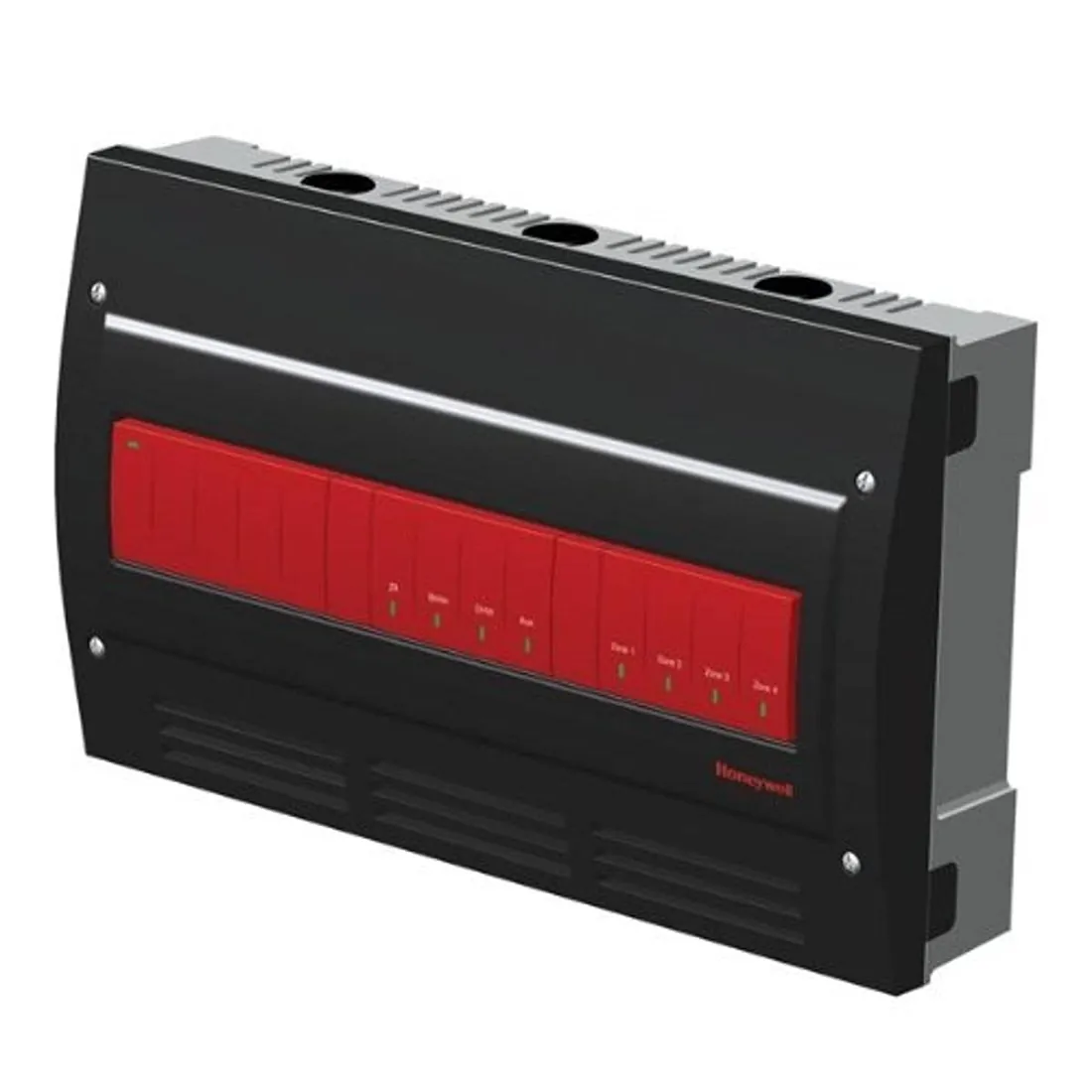
Honeywell Home AQ25542B Zone Control Panel
Zone panel · 4 Zone